En direct Jeudi 17 Septembre 2026
Culture

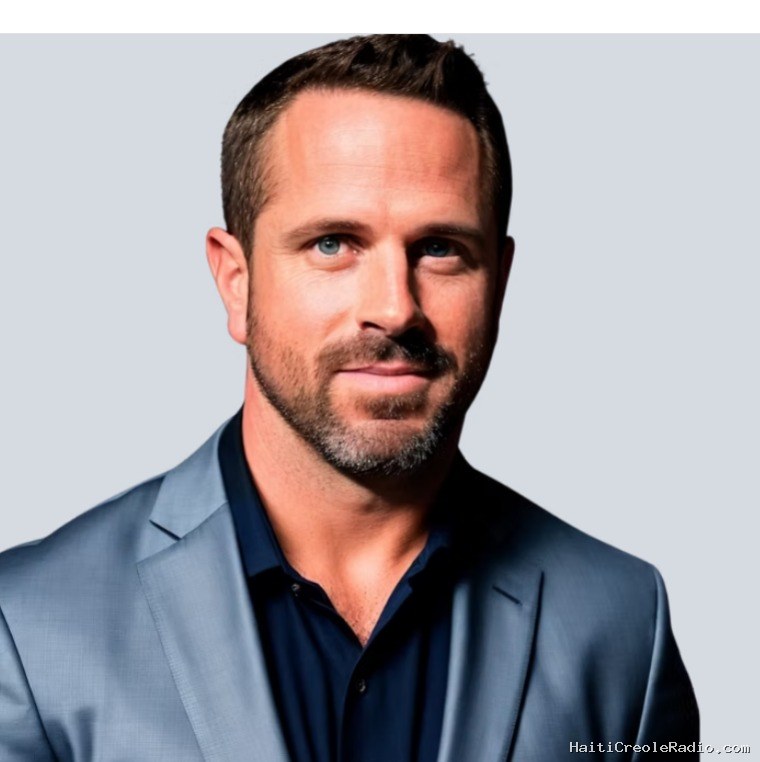
February 10, 2026 | Entrepreneur and Future U.S. Ambassador Austin Holmes’ Senate Testimony: Gangs Control 90% of Port-au-Prince, Expand into Artibonite, Centre and Northwest

M. Holmes: « Haiti is no longer experiencing a short-term emergency. It is in sustained systemic collapse« — Le 10 février 2026, devant une sous-commission du Sénat américain, Austin Holmes, désigné depuis comme futur ambassadeur des États-Unis en Haïti, affirmait que les gangs contrôlai
February 10, 2026 | Entrepreneur and Future U.S. Ambassador Austin Holmes’ Senate Testimony: Gangs Control 90% of Port-au-Prince, Expand into Artibonite, Centre and Northwest
HaitiCreoleRadio.com

16 septembre 2026
February 10, 2026 | Entrepreneur and Future U.S. Ambassador Austin Holmes’ Senate Testimony: Gangs Control 90% of Port-au-Prince, Expand into Artibonite, Centre and Northwest
Actualités Diplomatie English Insécurité|Kidnapping Pages d'Histoire d'Haiti Société

February 10, 2026 | Entrepreneur and Future U.S. Ambassador Austin Holmes’ Senate Testimony: Gangs Control 90% of Port-au-Prince, Expand into Artibonite, Centre and Northwest

  • by Rezo Nodwes
  • 16 septembre 2026
  • 0 Comments

M. Holmes: « Haiti is no longer experiencing a short-term emergency. It is in sustained systemic collapse« 

— Le 10 février 2026, devant une sous-commission du Sénat américain, Austin Holmes, désigné depuis comme futur ambassadeur des États-Unis en Haïti, affirmait que les gangs contrôlaient environ 90 % de Port-au-Prince et étendaient leur emprise à l’Artibonite, au Centre et au Nord-Ouest. Il constatait également l’absence de résultats durables des investissements sécuritaires américains. Ses recommandations aux sénateurs portaient sur quatre mesures : financer des corridors humanitaires administrés par des organisations locales, protéger les femmes et les enfants déplacés, associer sécurisation et distribution de nourriture, d’eau et de soins, et imposer un contrôle régulier des fonds américains, notamment des financements gelés.

Ce témoignage intervenait trois jours après la fin du Conseil présidentiel de transition, le 7 février, au moment où Alix Didier Fils-Aimé concentrait la direction de l’exécutif avec le soutien explicite de Washington. Le diagnostic de l’entrepreneur Holmes et ses recommandations documentent ainsi les préoccupations sécuritaires et humanitaires formulées au début de cette nouvelle phase de la transition.

Subcommittee on State, Foreign Operations, and Related Programs

Chairman Graham, Ranking Member Schatz, and distinguished Members of the Subcommittee: thank you for the opportunity to testify on the humanitarian and security crisis in Haiti and to provide a practical framework for mid-term stabilization. I appreciate this Subcommittee’s leadership in addressing a crisis that has both humanitarian and strategic implications for the United States, and your concern for Haiti – a country I’ve given the greater part of two decades to serve.

I began my work in Haiti in 2009 and was most recently in country last week, supporting the relocation of my foster son to Cap-Haïtien. Since the 2010 earthquake, I have deployed to every major disaster affecting Haiti, managing humanitarian logistics for local and U.S.-based faith organizations in support of USAID, and frequently coordinating U.S. government defense-related engagement in response operations. Immediately following Haiti’s 2021 magnitude 7.2 earthquake, I supported Joint Task Force Haiti under Rear Admiral Keith Davids, working with U.S. military to facilitate a humanitarian disaster and relief operation that executed approximately:

In the years immediately following the 2010 earthquake, I spent approximately twenty-five days per month in Haiti, before relocating my family full-time to the country from 2017 to 2019. During that period, I built and led a Haitian staff of nearly 900 personnel, overseeing one of the largest private education networks in the country, and feeding more than 100,000 children daily through a national school network known as HaitiOne. That Haitian-led team continues to operate today under extraordinarily difficult conditions, currently providing daily meals to more than 130,000 children. This is executed through a decentralized warehouse and logistics network, and local organizations.

I returned to the United States as organized gangs began consolidating control in Port-au-Prince, at a time when negotiating passage through checkpoints to safely remove my children from school had become routine. In 2023, at the guidance of the Federal Bureau of Investigation, I established a specialized security company with the help of my co-founder, former Delta Force operator, Marine, Navy Cross recipient Taylor Jolly, to support high-risk recovery operations during the successful negotiation and recovery of a U.S. military veteran kidnapped in Haiti. Since that time, I have been asked to advise and lead kidnapping negotiations involving both Haitian nationals and U.S. citizens, and have supported the rescue, extraction, or recovery of hundreds of individuals under extreme conditions.

This testimony draws on my direct, on-the-ground experience in Haiti. Its purpose is to describe current conditions in a manner consistent with the interests of the Haitian people and the national, regional, and strategic interests of the United States; to explain why those conditions warrant the attention of this Subcommittee; to outline a feasible mid-term humanitarian stabilization approach; and to assess the costs and risks of continued inaction.

This testimony does not advocate for large-scale military intervention, nor does it seek to replace existing U.S. or multilateral efforts. Rather, it proposes a complementary, focused, time-bound, and cost-disciplined approach designed to stabilize humanitarian conditions with and for the Haitian people, protect U.S. interests, reduce long-term costs, and accelerate a pathway toward sustained Haitian leadership and prosperity.

Article précédent Les 30 000 « adhérents » – et si la fraude était déjà le pri… Article suivant Haïti–USA | Après 19 mois de détention, ICE expulse l’Haïtie…

Commentaires (0)

Laisser un commentaire

0 / 2000 caractères

Aucun commentaire. Soyez le premier !