

NEW YORK (AP) — Who will be there each morning with Solange French’s eggs at breakfast, and who will be ready with soup or fish at lunch? When the 91-year-old needs help in the shower, who will rush to her side, and when it’s time for a doctor’s appointment, who will take her? Who will do the laundry or buy the groceries or clean the house?
Until now, the answer has been a doting home health aide from Haiti named Martha Nelson. But with the Supreme Court sanctioning a White House immigration crackdown, Nelson’s permission to stay in the country appears likely to be yanked within days, leaving French worried.
“She’s with me all the time,” says French. “Life would be impossible.”
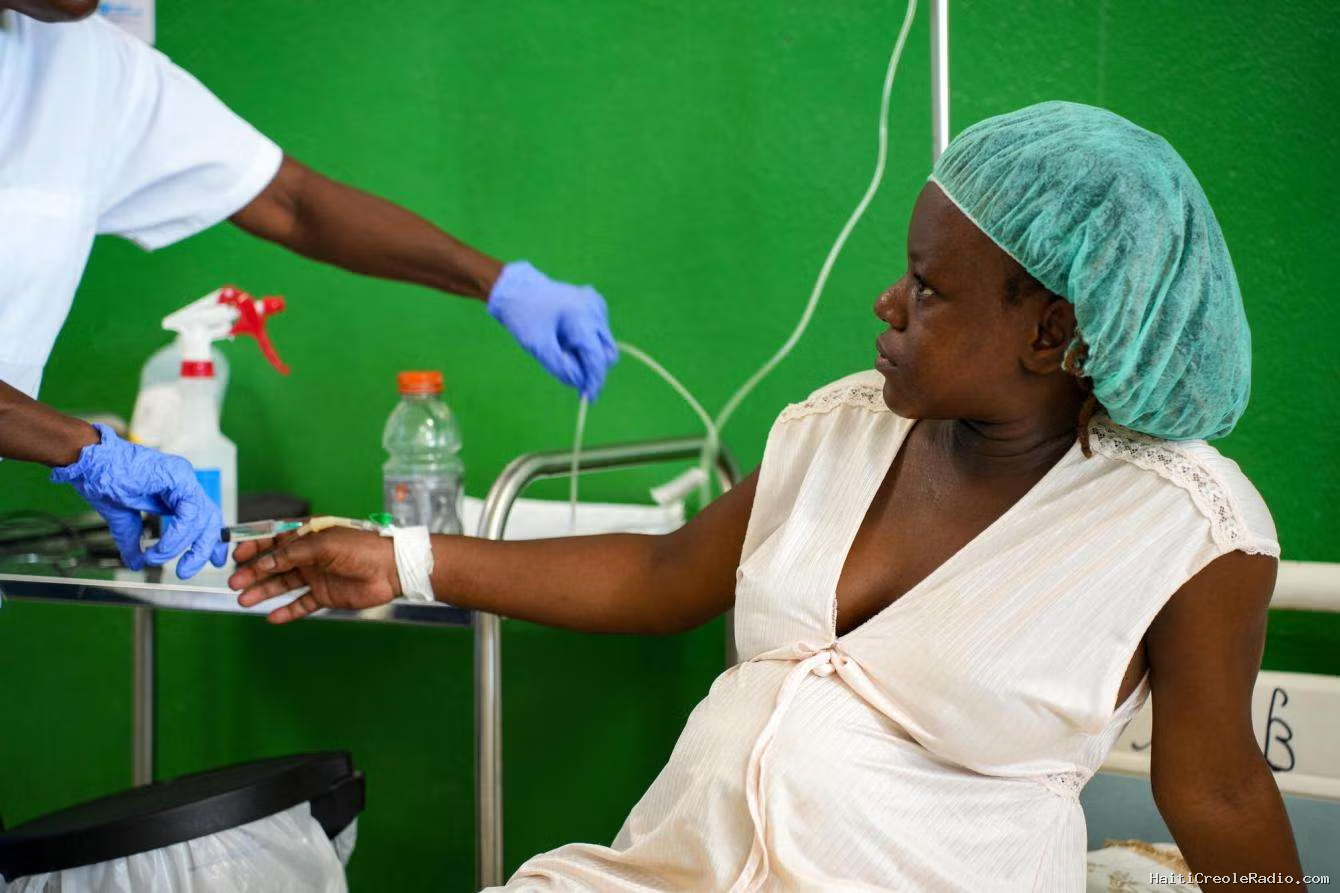
As the Trump administration unwinds years of protections for hundreds of thousands of people from Haiti, twin populations of vulnerable people find themselves in the crosshairs: caregivers in jobs to which those immigrants have flocked, and the older adults and disabled people who rely on them.
Around the U.S., care homes and home health agencies are bracing for the loss of workers with TPS, which stands for temporary protected status, even as they continue to reel from other immigration policy changes that have squeezed an already short-staffed industry.
For businesses, it is a predicament that could hurt bottom lines and tax remaining workers. For their clients, it threatens to upend every aspect of their lives.

Commentaires (0)
Laisser un commentaire
Aucun commentaire. Soyez le premier !