
United States officials have informed the Haitian government that after July 24, it should expect weekly deportation flights carrying about 250 Haitians who previously benefited from Temporary Protected Status (TPS).
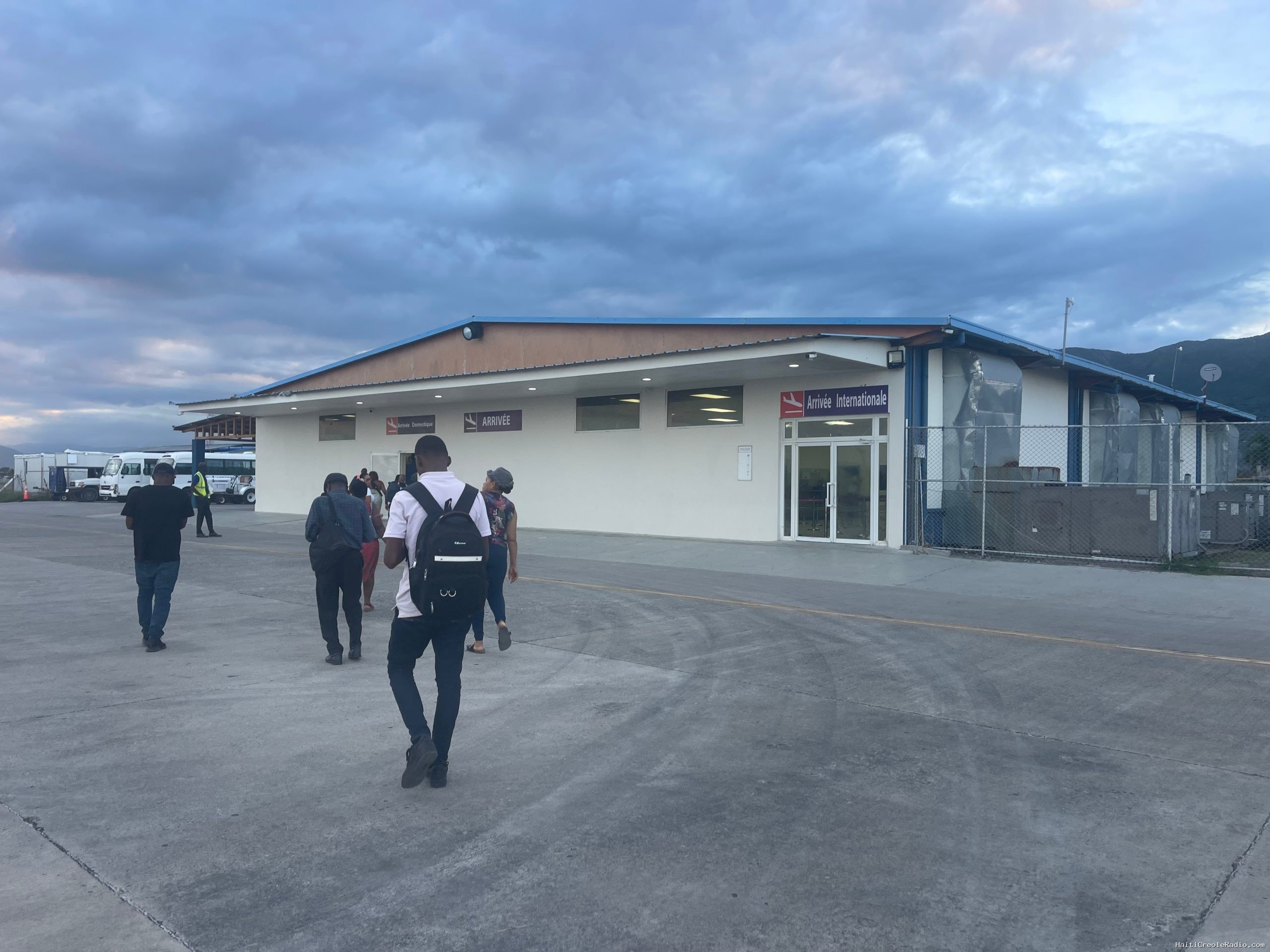
Speaking to local reporters at Cap-Haïtien International Airport, shortly after receiving 111 deportees there, Jean Négot Bonheur Delva, director general of Haiti’s National Office of Migration (ONM), said the U.S. will start sending two flights per week.
“The U.S. Embassy informed us that there will be weekly deportation flights carrying a total of 250 or more Haitian migrants back to the country,” Delva said.
At that pace, he said, Haiti could receive roughly 1,000 deportees every month from the U.S.
The announcement comes as the Trump administration prepares to end TPS protections for thousands of Haitians after a U.S. Supreme Court decision last month cleared the way for the administration to revoke deportation protections and work authorization for an estimated 350,000 Haitians.
Thursday, July 24, marks the end of a 10-day extension of protections the Department of Homeland Security (DHS) gave to Haitian TPS holders affected by the Supreme Court decision. After that date, many will lose both their work authorization and temporary permission to remain in the U.S.
Haitian government silent on possible deportations
The deportations, if carried out, would add pressure on Haiti’s fragile institutions at a time when the country is grappling with widespread violence where more than 85% of the capital is under gang control, mass displacement and a worsening humanitarian crisis.
To date, the Haitian government has not announced a national plan to receive or reintegrate returning immigrants. When contacted by The Haitian Times, staff at Ministry for Haitians Living Abroad (MHAVE) said TPS and immigration policy fall outside its responsibilities. The newspaper also sought comment from Foreign Affairs Minister Raina Forbin but did not receive a response.
No public diplomatic initiative by Prime Minister Alix Didier Fils-Aimé’s administration to seek a delay or suspension of the deportations has been announced, as some advocates have suggested. Nor have authorities outlined assistance programs for housing, employment or other reintegration initiatives.
“The U.S. Embassy informed us that there will be weekly deportation flights, with flights carrying a total of 250 or more Haitian migrants back to the country.”
Jean Négot Bonheur Delva, Director General of Haiti’s National Office of Migration
ONM is the only government agency to publicly address the expected arrivals.
According to Delva, the agency’s role is limited to receiving deportees alongside the Haitian National Police (PNH) and providing each returnee with a transportation allowance to help them reach their destination. Delva did not provide the exact amount, but a few deportees told local media last week they had received 10,000 Haitian gourdes, about $77.
Last year, MHAVE Minister Kathia Verdier said the government was working to receive vulnerable Haitians facing deportation while acknowledging Haiti had little influence over U.S. immigration policy.
A year later, no new government strategy has been announced.
Speaking at a U.N. Security Council briefing Monday, Forbin said the country’s security situation has improved, contradicting the international community’s account, including that of the United States.
“We are closer than we’ve been in years to restoring security and holding elections that are free,” Forbin said.
Meanwhile, the Popular Democratic Movement (MODEP) and the political organization Zansèt Ayiti have urged the Haitian government to diplomatically negotiate the suspension of deportations with the U.S. government, arguing that Haiti’s security and humanitarian conditions do not allow for safe, dignified returns.
“Even if they are incompetent, they are the ones in power, so we are asking them to launch a diplomatic offensive to avoid the catastrophe that is looming,” Lucnas Etienne, president of Zansèt Ayiti, said during a press conference on July 14.
Deportations continue as violence worsens
The first indication of the increased deportation pace came July 16, when U.S. authorities returned 111 Haitian nationals to Cap-Haïtien. According to the ONM, those deportees — who arrived from a list of 130 people — were not former TPS beneficiaries. Some were removed for immigration violations, while others had completed prison sentences in the United States after criminal convictions.
During a U.N. briefing that day, spokesperson Stéphane Dujarric said the Village de Dieu gang carried out attacks in Kenscoff and Pétion-Ville between July 4 and July 9 that killed at least 61 people, including 14 children. The attacks also forced at least 5,840 people from their homes after gangs burned residences and other property.
Despite the deteriorating security situation, Delva said Haiti has no choice but to receive its citizens.
“ONM and the Haitian state have no other choice,” he said. “We must welcome migrants returning from different countries and backgrounds with dignity.”



Commentaires (0)
Laisser un commentaire
Aucun commentaire. Soyez le premier !